Our programme is everyday life, not a lesson plan.
We don't teach topics — we teach ways of seeing the world. Six areas a child moves through every week, freely, at the pace of play and curiosity.
Bilingual by nature
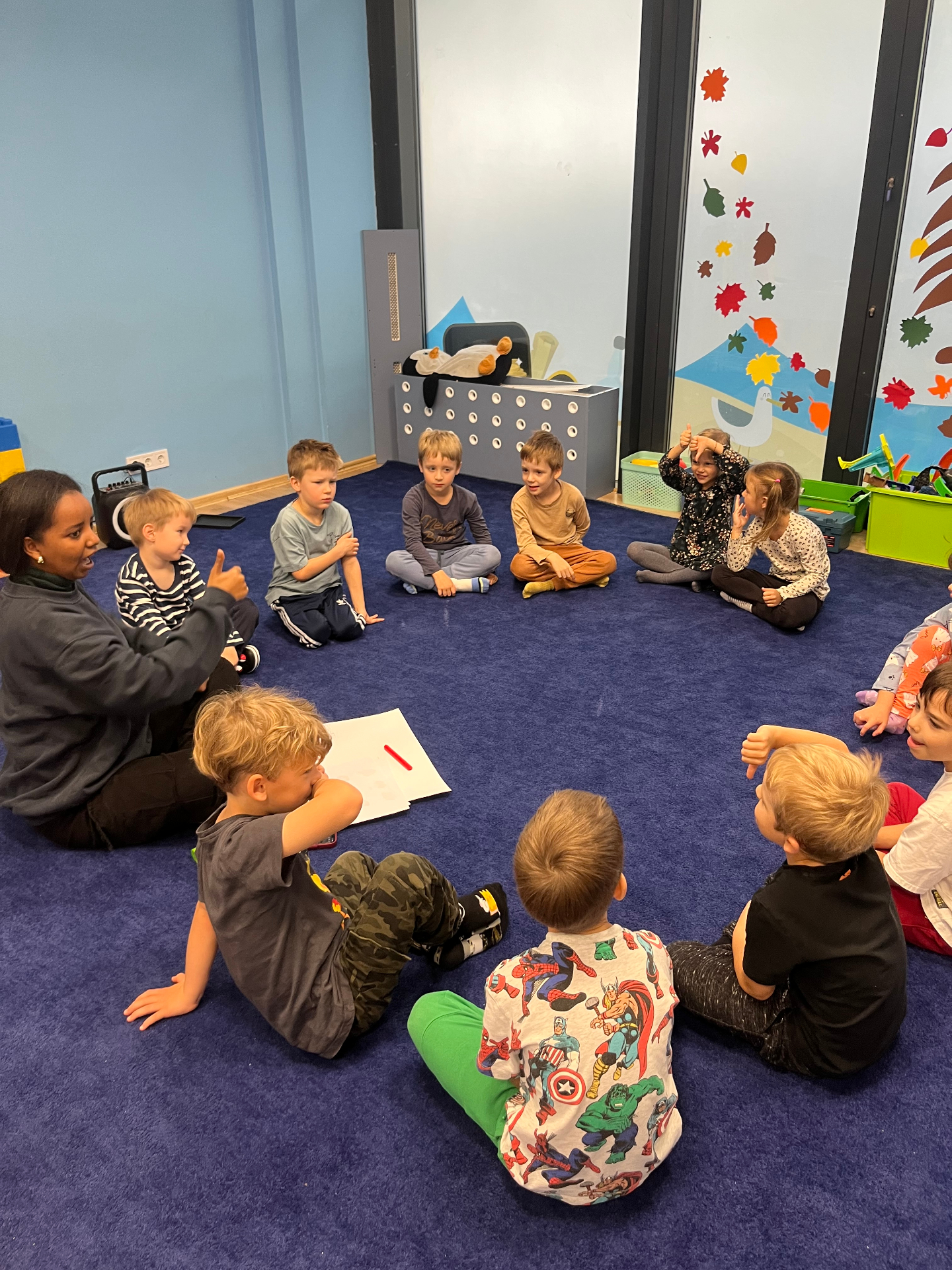
A native speaker is with the children from breakfast to goodbye — in the garden, at the table, in the middle of play. No textbooks: English is part of the world, not a separate subject.
Coding without screens
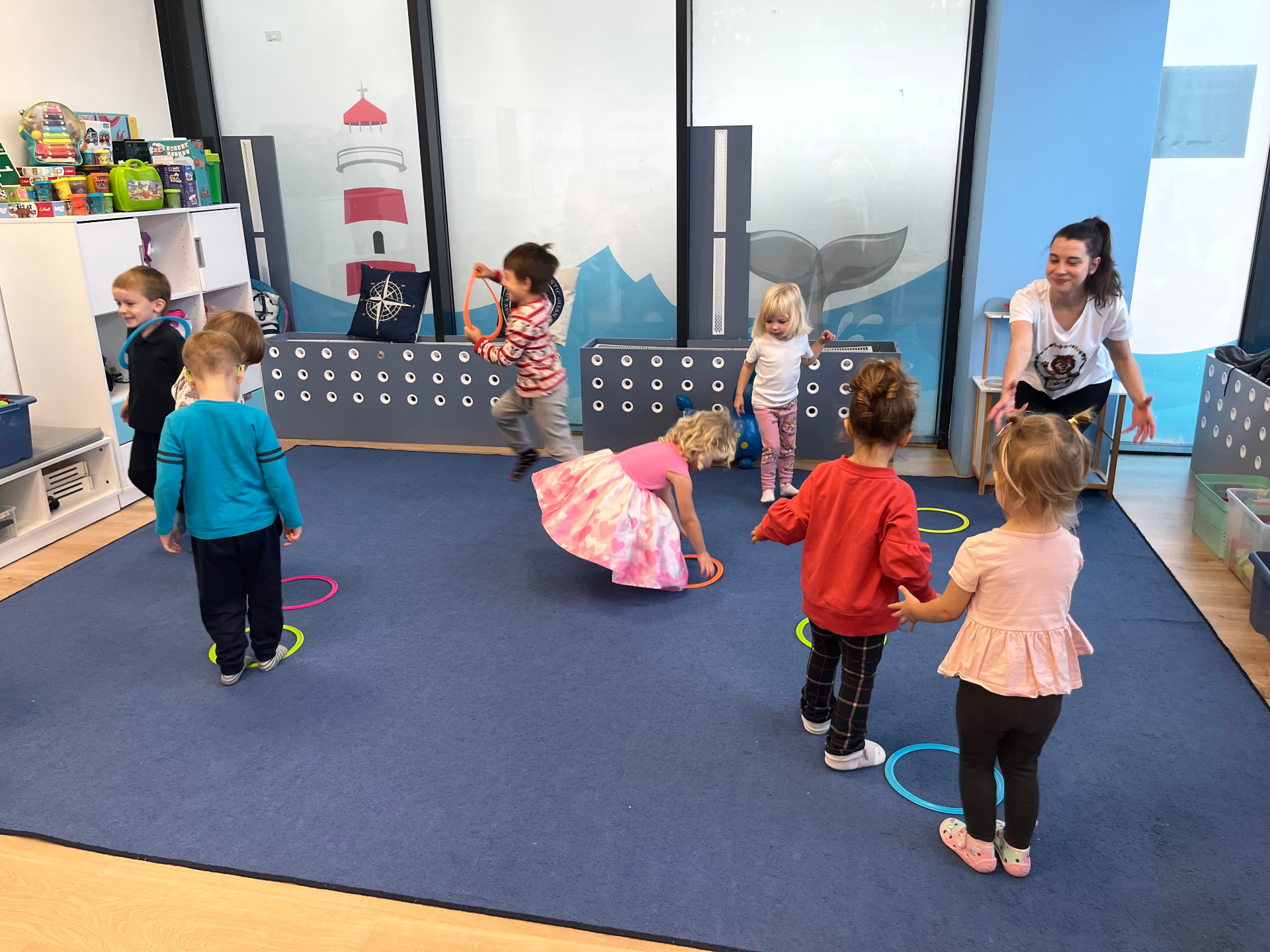
We teach sequence, cause and effect, and problem-solving — no tablets involved. Blocks, boards, games, movement: code a child understands with their whole body.
Ceramics
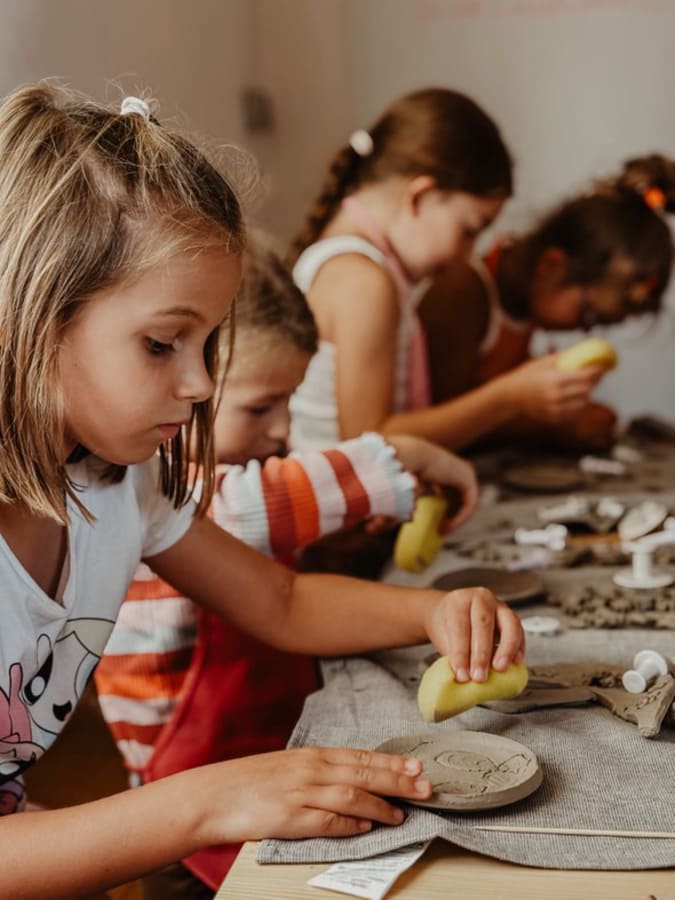
A weekly studio session with clay. Hands learn patience, eyes learn proportion, and children learn the pride of something made to last.
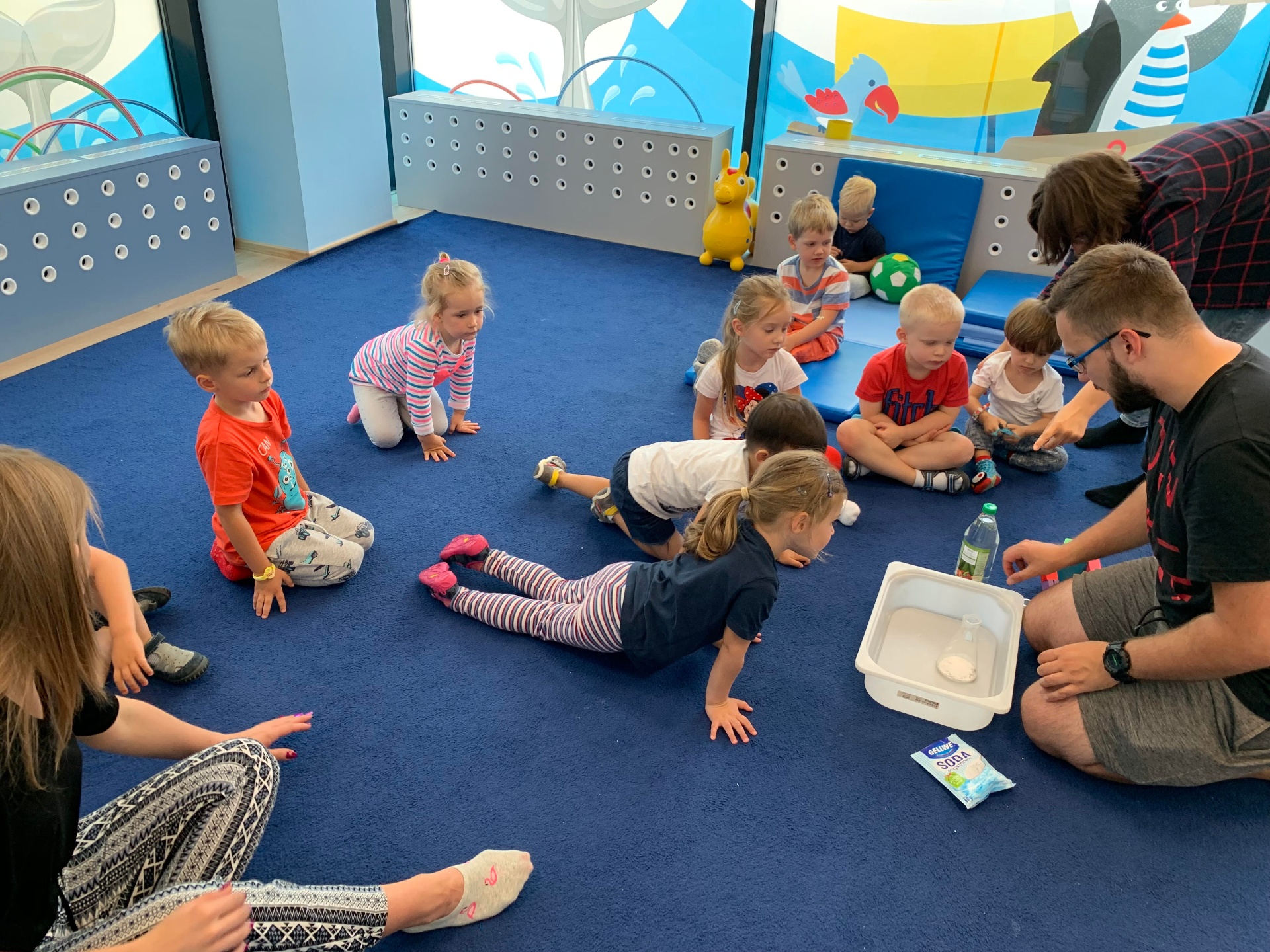
Experiments
Hypothesis. Trial. Conclusion. Air, water, magnets, light — the scientific method, five-year-old style.
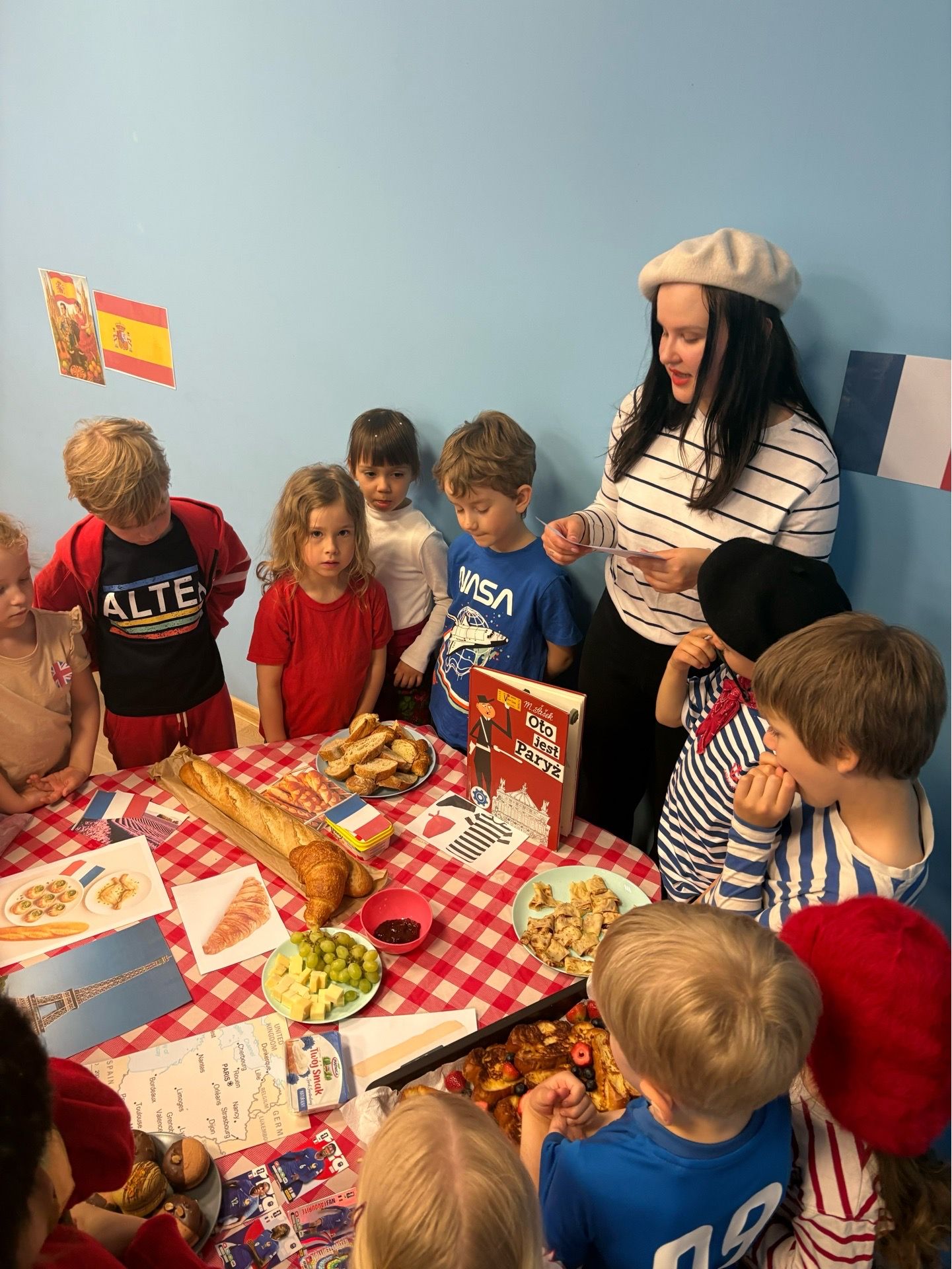
Kitchens of the world
Seasonal vegetables, flavours from every culture, real knives for the older children, and real responsibility. A day for France, a day for Ethiopia, a day for Japan.
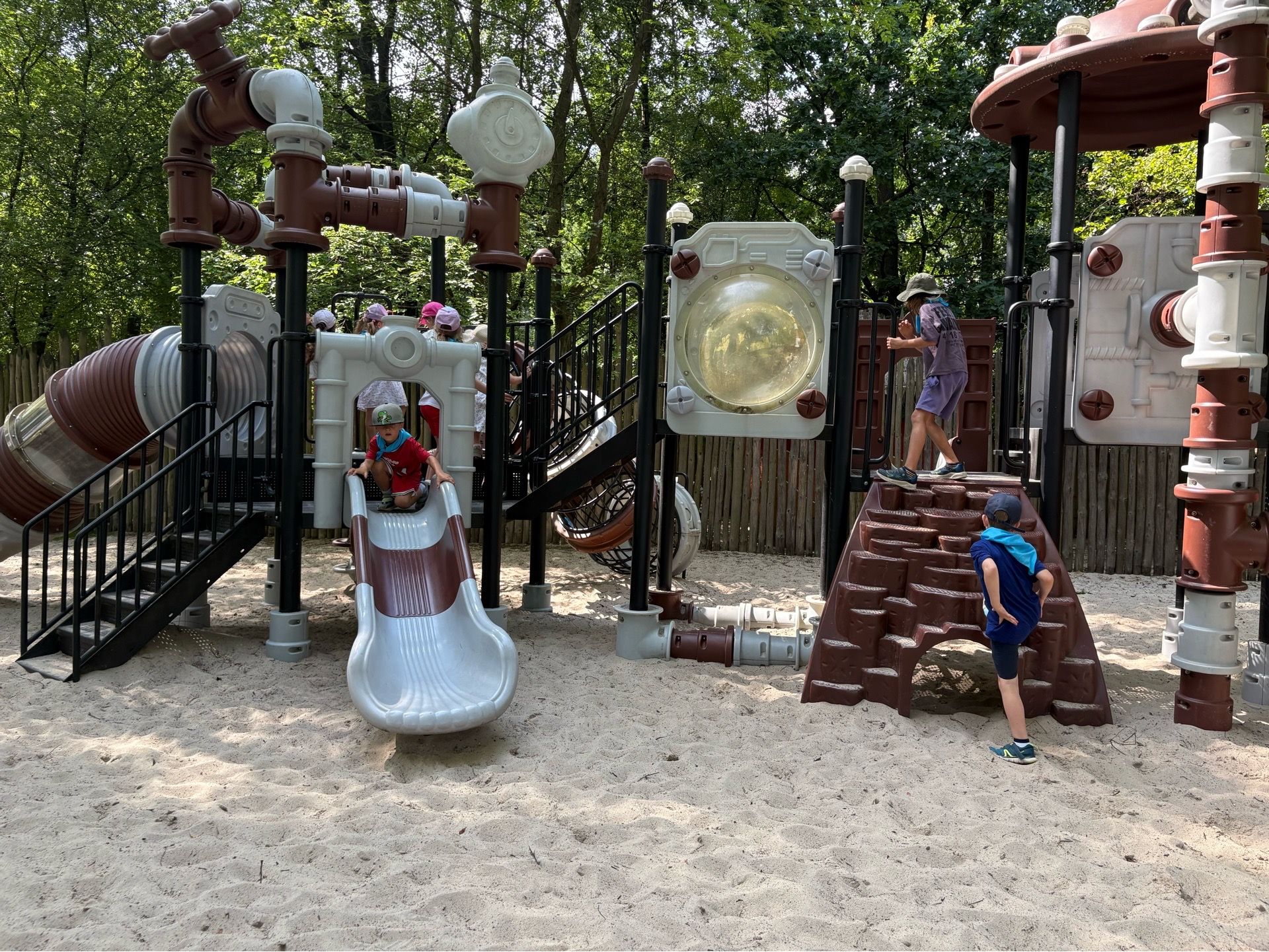
Learning outdoors
Outside every day — our own garden, the local park in Wola, and field trips. Rain isn't an excuse; it's part of the programme.
Six things that stay for life.
Critical thinking
Spotting patterns, asking questions, testing your own ideas.
Collaboration
A shared project instead of competition. Roles, voice, compromise.
Communication
Saying what you think and feel — in Polish and in English.
Self-regulation
Naming emotions. Finding balance again. Asking for help.
Creativity
Open-ended materials, no single right answer, time to try.
Responsibility
For yourself, for things, for the group. Small tasks, real consequences.