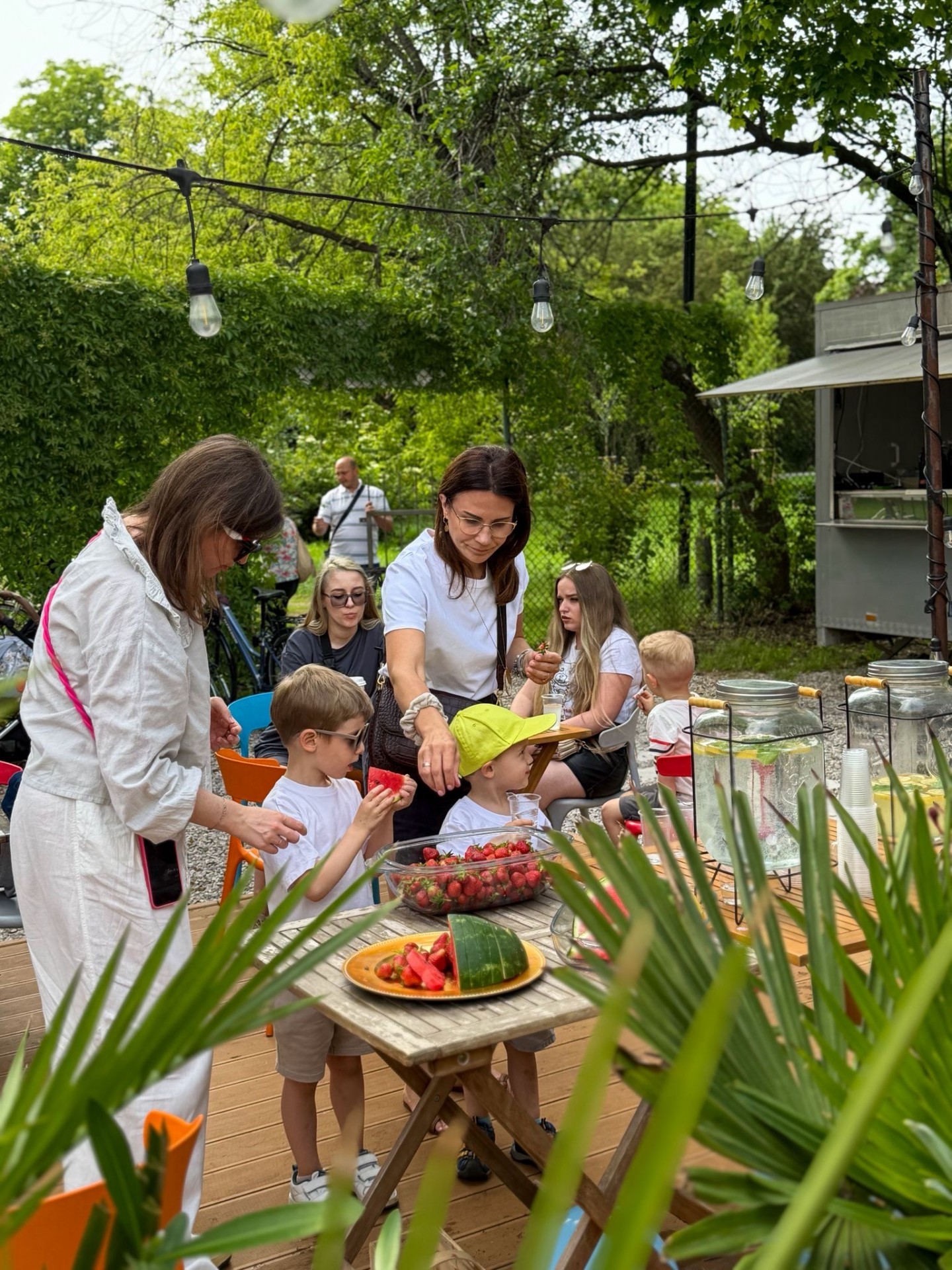
A first day that doesn't have to hurt.
Settling in isn't a test. It's a process of building trust, in a place, in a teacher, in yourself. We take it step by step, at your child's pace, with a parent close by.
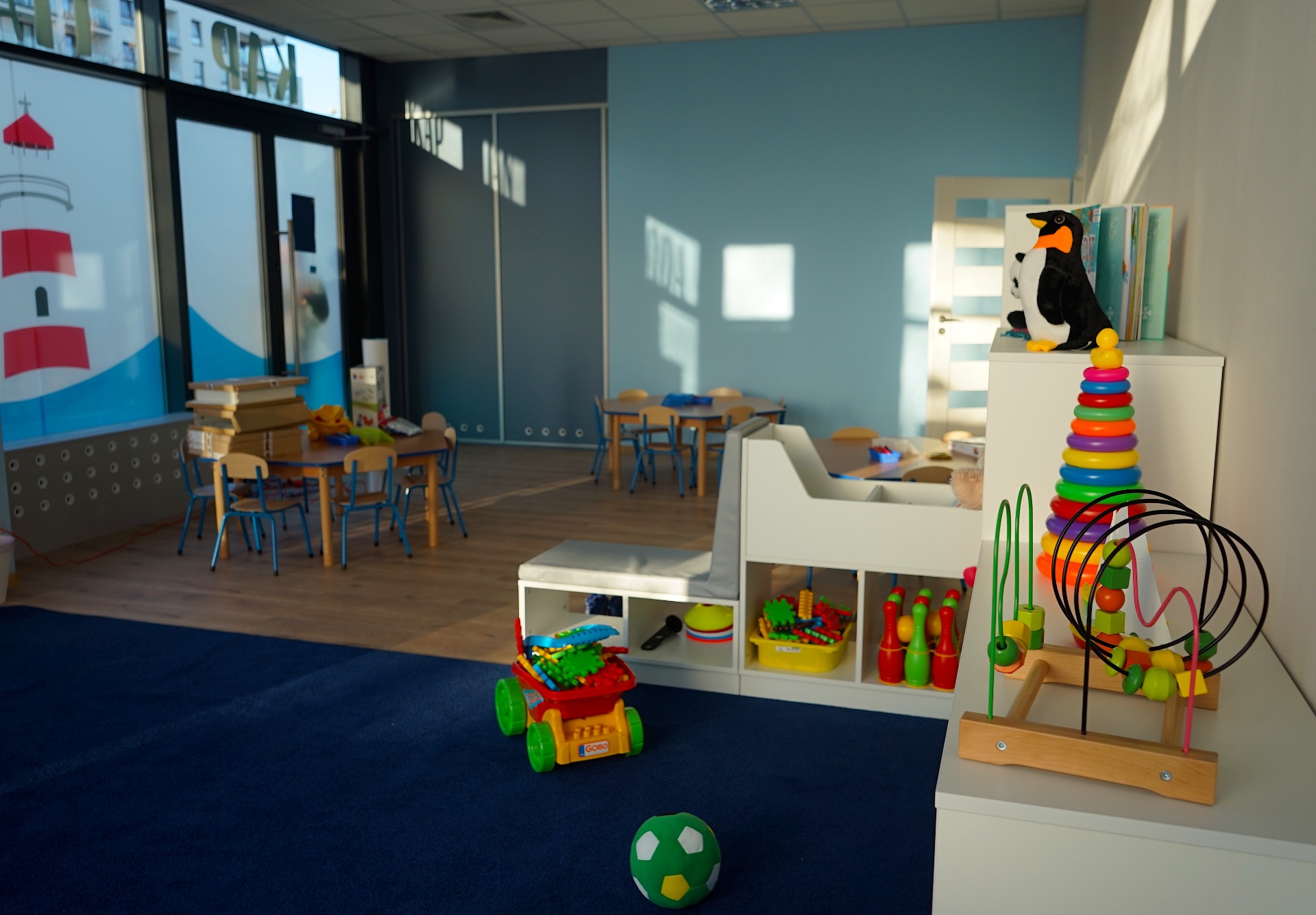
Children don't need to be ready on day one.
We don't count days or tears. We pay attention to the child. A parent stays with us at the start for as long as it takes. Our teachers watch closely, slow down when needed, and step forward the moment they see readiness.
Five stages, no pressure.
- Stage 01
Before we begin
A meeting with parents. We talk about your child, likes, fears, sleep habits, what calms them down. We get to know each other before day one.
- Stage 02
First days · with a parent
Short visits together with a parent. An hour, maybe two. No goodbyes yet. Your child gets used to the place, the smells, the faces, with you right there.
- Stage 03
First time alone
A short goodbye, a long hello. We start with 1–2 hours and stretch it out at your child's own pace.
- Stage 04
A full day
Once your child feels confident, they stay for the full day. There's no fixed deadline, only readiness.
- Stage 05
A daily update
Teachers tell parents about the day, in detail. What happened, what your child chose, what surprised them.
Parents ask, we answer.
How long does settling in take?+
Usually 2–3 weeks. But your child sets the pace, not the calendar.
Can a parent really stay in the room?+
Yes. It's standard at the start. A parent's presence helps build trust in the place.
What if my child cries?+
We never leave a crying child. We take a step back, extend the parent's presence, slow down. Settling in isn't a test of resilience.
When's the best time to start?+
We recommend August or early September, for a calm start before the full year begins.